Raccoon removal
Raccoon Intrusion Requires Methodical Structural Response
Raccoon removal in Cary for attics, crawl spaces, and structures with confirmed animal access
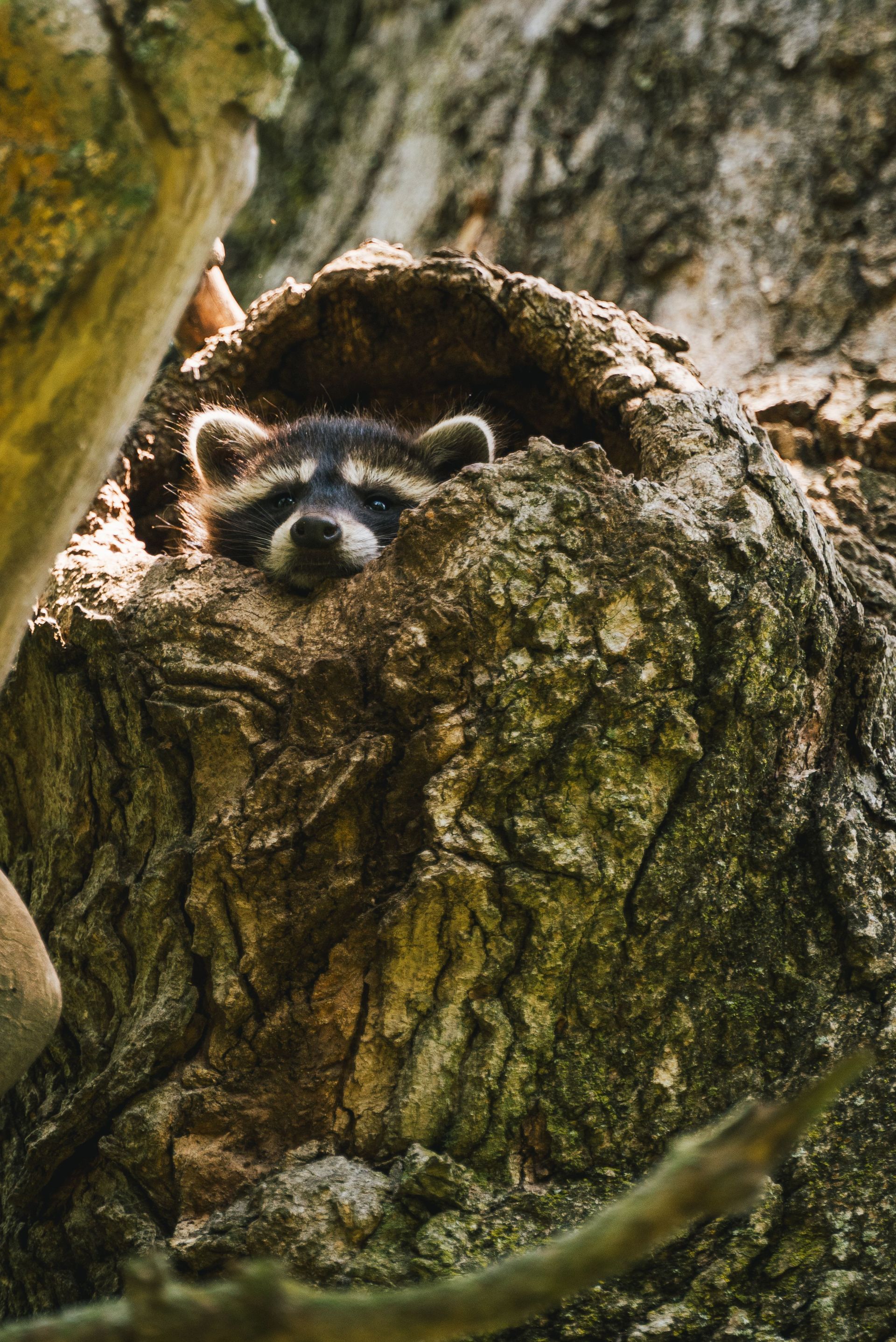
Raccoons are strong enough to pull back fascia boards, tear through thin soffit panels, and push past deteriorated gable vent screens—and once inside an attic, a single animal can compress and foul insulation across a wide area within a short period. Reliant Pest Management handles raccoon removal through humane trapping followed by permanent sealing of the entry points the animal used to access the structure. The service is built around two outcomes: the animal is removed, and the structural breach that allowed entry is closed so the space cannot be reoccupied.
The removal process begins with trap placement at or near the confirmed entry location, using appropriate attractants and trap sizing for raccoons—which are considerably larger than squirrels or rats and require different equipment and anchor points to prevent trap displacement. Entry point sealing follows confirmed removal and covers the specific breach the raccoon used, as well as any secondary weak points identified during the inspection. Many Cary homes built in the late 1980s and early 1990s used standard-gauge aluminum fascia and factory gable vents without reinforcement; those materials are adequate against weather but not against a raccoon applying direct force to a seam or corner.
Request an on-site evaluation to document the entry point, confirm whether trapping is underway, and establish the full scope of sealing needed for your property.
The Reliant Shield: Complete entry sealing with a warranty.
How Raccoon Removal Addresses Both Animal and Structure
Humane trapping for raccoons involves positioning traps where the animal is actively traveling—typically at the entry point itself or along a verified path—and checking them on a schedule that minimizes stress to the animal and time-to-removal. Reliant Pest Management handles transport and release in accordance with applicable wildlife management requirements. The trapping phase is treated as complete only after the animal is confirmed removed, not after the trap is set; this matters because raccoons can avoid traps for several cycles before capture, and premature sealing traps an animal inside the structure.
Once removal is confirmed, the entry point is sealed using materials scaled to the force a raccoon can apply—which means heavier gauge materials than those used for rodent exclusion. After the sealing work is finished, the attic no longer carries the noise of nightly animal movement, the odor signature diminishes as the space ventilates, and any structural damage to fascia or soffit is visible and defined rather than actively worsening. Clients can see the sealed repair from the exterior, and the finished work does not leave exposed raw materials or unfinished patches at the roofline.
Raccoon removal is priced from $895, which reflects both the trapping work and the entry point sealing as a combined scope. A job that removes the animal but leaves the breach open simply resets the same conditions for the next animal to exploit—the sealing component is what makes the removal durable.
Answers About How the Work Is Done
The following questions address the mechanics of raccoon removal and sealing, including what drives decisions during the process and what the finished work looks like.
Why must trapping be confirmed complete before entry points are sealed?
Sealing an active entry point while an animal is still inside the structure traps it, which creates a different and more complex problem—sealing is always sequenced after confirmed removal, not before or during.
What trapping equipment is used for raccoons specifically?
Raccoons require large-format live traps with reinforced wire gauge and secure locking mechanisms; standard rodent or squirrel traps are undersized and can be dislodged or defeated by a raccoon's manual dexterity and body weight.
How are entry points sealed to hold against an animal that could force its way in?
Sealing materials are selected based on the force the target species can apply—raccoon exclusion uses heavier gauge metal components and mechanical fasteners rather than adhesive-only or flexible sealants that can be pulled away.
What damage should a homeowner expect to find in an attic after raccoon occupation?
Compressed insulation, concentrated waste deposits along travel paths, and in longer-term occupations, torn vapor barrier and disturbed wiring are the most common findings—all of which become identifiable and addressable once the animal is removed and the space can be assessed safely.
How does raccoon removal differ from the process used for smaller animals like squirrels?
The trap sizing, anchor requirements, confirmed-removal standard before sealing, and the gauge of exclusion materials at entry points all differ based on the animal's size and strength—raccoon work is sequenced and equipped differently from the start.
Reliant Pest Management is available to walk through the specific conditions at your property and confirm the trapping and sealing plan before work begins—call the office to schedule an on-site review of your raccoon intrusion situation.
Call Us
Our Location
167 East Chatham St,
Cary, NC