
Rodent exclusion
Gaps That Rodents Use Are Often Hidden
Rodent exclusion in Cary for homes with mice or rats entering through foundation, vent, and gutter gaps
The gap behind a gutter downspout bracket, the space where a dryer vent collar meets vinyl siding, the open chase around a plumbing penetration at the foundation—these are the entry points that mice and rats use repeatedly, and none of them are visible during a standard home walkthrough. Reliant Pest Management performs rodent exclusion by locating and closing those specific openings with metal and hardware cloth, materials that rodents cannot gnaw through or compress past. The service addresses the structural side of a rodent problem, which is the part that determines whether the problem returns.
Exclusion work begins with a systematic inspection of the exterior envelope focused on the locations where rodents actually enter: behind gutter lines where the fascia pulls slightly away from the wall, around utility penetrations at the foundation, at dryer and bathroom exhaust vents where the flapper seal has degraded, and along foundation sills where wood meets masonry without a tight mechanical seal. In Cary's established subdivisions where homes date to the 1980s and early 1990s, wood framing at the foundation sill was often left without metal barrier protection, and decades of minor settling have opened seams at the mudsill that are large enough for a mouse—which can compress its body through a gap the diameter of a pencil—to enter without difficulty.
Set up a property assessment to identify which openings are active entry points and what the full exclusion scope will involve for your home's specific construction.
The Reliant Shield: Complete entry sealing with a warranty.
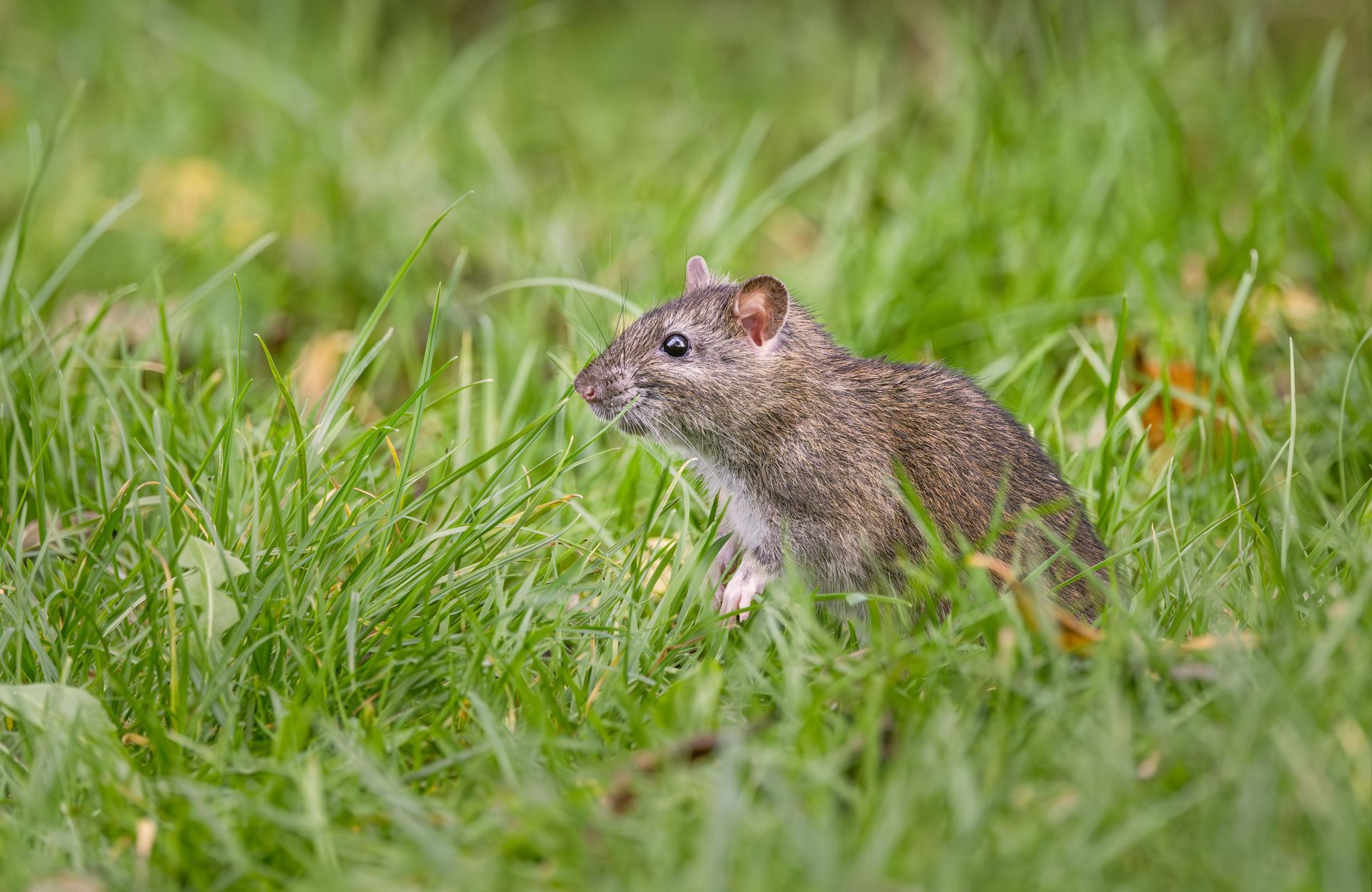
What Proper Rodent Exclusion Requires
The material standard for rodent exclusion is the most important technical decision in the work. Expanding foam, steel wool, and caulk are commonly used by non-specialist contractors because they are fast to apply, but mice can chew through foam and compressed steel wool within days, and caulk alone does not present a meaningful physical barrier to a rat. Reliant Pest Management closes identified gaps with metal flashing and hardware cloth mechanically fastened in place—materials selected specifically because they cannot be gnawed away or pulled loose once properly installed.
After exclusion is complete, the interior signs of active rodent traffic—droppings along wall runs, gnaw marks at cabinet bases, noise in wall voids at night—cease as the population inside the structure is addressed and new animals can no longer enter. The sealed penetrations are visible from the exterior and finished flush against the existing siding or foundation material so that each closed gap is clearly identifiable and structurally stable. Clients working with Reliant Pest Management have a documented record of every location that was closed, which is useful if follow-up inspection is needed later.
Rodent exclusion is priced from $450 and covers the full sealing scope identified during assessment—gaps behind gutters, vents, and foundation penetrations are all within the standard work scope. The number and complexity of entry points at a given property affects where within that range the job falls, which is why the assessment precedes the quote rather than following it..
Questions Before Starting Your Project
These questions cover what happens during rodent exclusion work, how decisions are made about materials and locations, and what the finished result looks like at a Cary-area property.
What materials are used to seal rodent entry points, and why does the choice matter?
Metal flashing and hardware cloth are used because mice can gnaw through foam and compressed steel wool within a short period—metal presents a barrier that cannot be defeated by sustained chewing, which is what makes the exclusion durable rather than temporary.
How are active entry points distinguished from gaps that rodents haven't used?
Active paths show physical evidence: worn fur grease along edges, fresh droppings concentrated near the opening, gnaw marks on adjacent wood, or disturbed insulation directly inside—these indicators confirm which gaps are in use versus which are incidental voids.
Why are gaps behind gutters a common rodent entry point?
The gutter mounting bracket creates a void between the fascia board and the gutter back that is rarely visible from ground level; when the fascia board has dried and pulled slightly, that gap runs the full length of the gutter run and is wide enough for mice to travel along and enter at any point where the soffit return is also compromised.
What happens at foundation penetrations during the exclusion process?
Each utility penetration—plumbing, electrical conduit, HVAC lines—is assessed for gap size around the pipe or conduit; openings are closed with metal collars or hardware cloth packed and fastened to prevent rodents from pushing past the fill material.
How can a homeowner confirm the exclusion work held after the job is done?
The sealed locations are identifiable from the exterior, and the interior evidence of active rodent traffic—fresh droppings, new gnaw marks, nighttime wall noise—stops appearing once the population inside is cleared and new entry is blocked; ongoing activity after sealing indicates a missed entry point that should be re-inspected.
Reliant Pest Management is ready to assess your property's specific gap profile and provide a written quote based on what the inspection finds—call to schedule your rodent exclusion evaluation and review the entry points that need to be closed.
Call Us
Our Location
167 East Chatham St,
Cary, NC