Dead Animal Removal
Tracking the Odor Back to Its Source
Dead Animal Removal in Cary for Rotting Odors Coming From Walls, Attics, or Crawlspaces
A sweet, rotten smell that gets stronger near one wall or seeps up through the floor vents usually means an animal has died somewhere you cannot see. Reliant Pest & Wildlife locates and removes dead animals from attics, walls, and crawlspaces, then treats the area for odor. In Cary, many homes sit over crawlspaces where rats, opossums, and other animals shelter and sometimes die out of sight.
Dead animal removal starts from $300. The technician follows the odor, fly activity, and staining to narrow down the location, removes the carcass along with contaminated nesting or insulation, and applies an odor treatment to the area.
Request a dead animal search to track down the source of the smell.
How the Smell Leads the Technician to the Animal
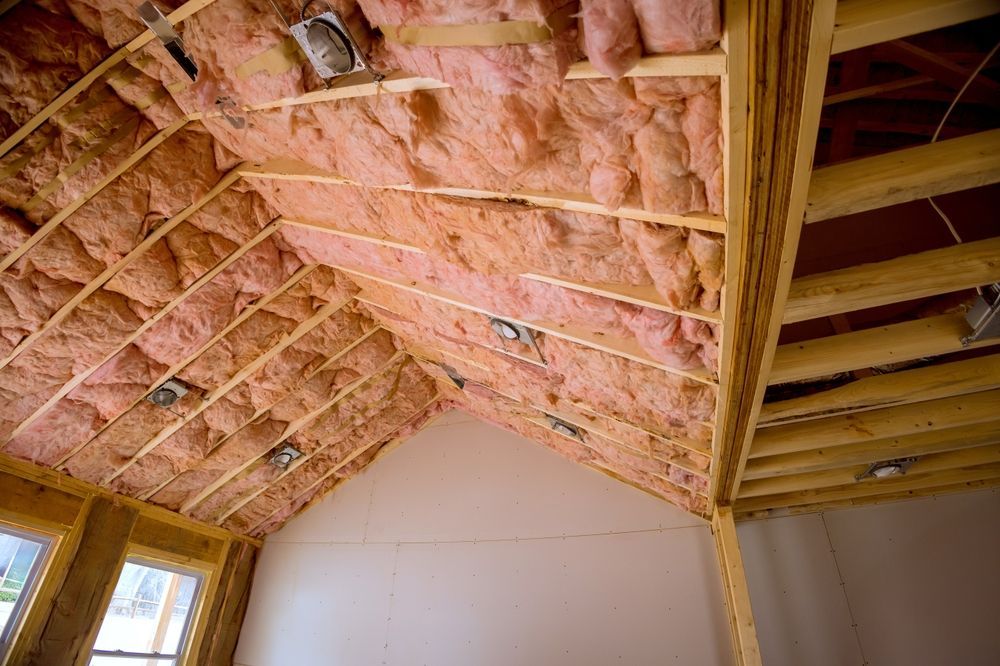
Odor can travel along wall cavities and ductwork, so the search combines several signs: where the smell is strongest, where flies gather, and where stains or wet spots appear on drywall or ceilings. When an animal is inside a finished wall, a small access opening may be cut at the most likely spot so it can be removed rather than left to decompose.
Once the carcass is out and the area is treated, the smell fades instead of building each day, and flies stop collecting at windows near the source. The stain on the drywall stops growing because fluids are no longer seeping.
Some odor can remain in porous materials like insulation and subfloor, which is why contaminated material comes out with the animal. Patching drywall after a wall opening and sealing the gap the animal used to get in are handled as separate steps.
Questions About Finding and Removing a Dead Animal
These answers explain how a dead animal is located, removed, and cleaned up after.
How does the technician find an animal inside a wall?
The search follows the strongest odor, fly activity, and any staining, and may use a moisture meter or inspection camera to confirm the spot. That keeps the opening small and targeted.
Why does the odor sometimes come through floor vents?
Crawlspace air rises into the house through gaps around ductwork and plumbing, so an animal under the floor can be smelled several rooms away. Removing it and treating the soil and vapor barrier around it cuts off that source.
What happens to the material around the carcass?
Insulation, nesting, and vapor barrier soaked by fluids are bagged and removed with the animal. The area is then treated with an odor neutralizer.
How do crawlspaces under Cary homes affect removal?
Many Cary homes have low crawlspaces with ductwork and plumbing running through them, so technicians crawl in with protective gear and work around those lines to reach the animal. A torn vapor barrier often shows where the animal entered.
What should you notice once the animal is removed?
The odor should steadily fade rather than grow, and flies should stop appearing near the affected room. Any stains should stay the same size instead of spreading.
Reliant Pest & Wildlife can also identify how the animal got in, which tells you whether another one could follow the same path. Set up a visit to locate the source and get the odor treated.
Call Us
Our Location
167 East Chatham St,
Cary, NC