
Opossum Removal
Moving Opossums Out of Hidden Spaces
Opossum Removal in Cary for Animals Living Under Decks, Sheds, and Crawlspaces
Opossum removal combines humane trapping, confirming the animal is gone, and closing the opening it used to get in. Reliant Pest & Wildlife handles opossum removal for homes in Cary, where these animals often settle under decks, porches, sheds, and into crawlspaces. You will often notice one by a torn crawlspace vent screen, scattered trash, or a musky smell near the foundation.
Opossum removal starts from $450. The technician inspects the property to find where the opossum is denning, sets cage traps along its travel path, and checks them regularly so the animal is not left waiting in a trap. Once the opossum is removed, the entry point is identified so it can be sealed.
Book an opossum inspection to find out where the animal is denning.
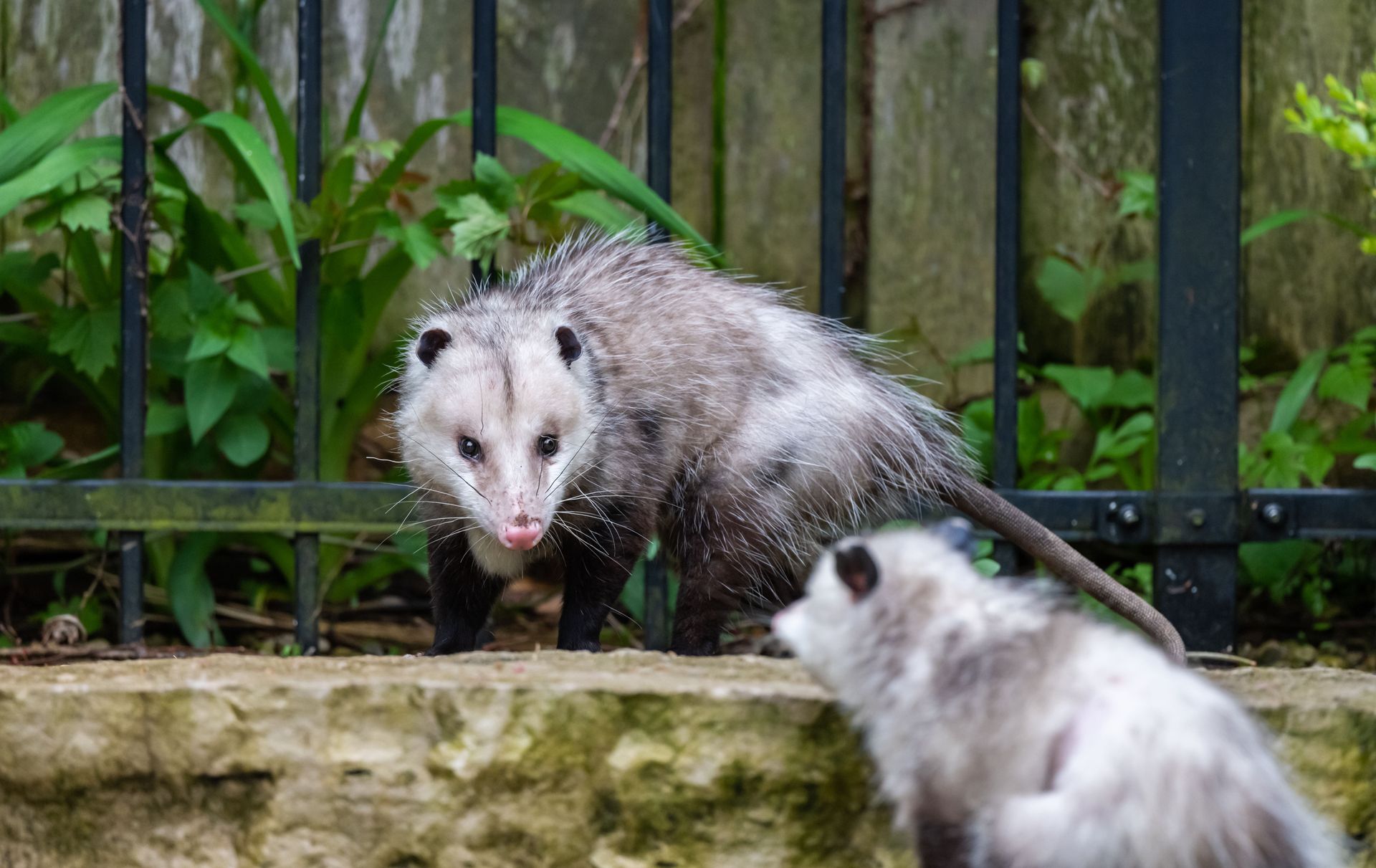
What Opossum Removal Actually Accomplishes
Opossums do not dig their own dens, so they move into ready-made spaces: gaps under deck boards, broken crawlspace vents, and openings around HVAC lines. Trap placement follows that travel path with bait suited to opossums, and the den is checked for young before it is closed. A female may carry young in her pouch or on her back, which changes how the removal is handled.
Once the opossum is removed and the opening is closed, you stop finding torn vent screens, knocked-over trash cans, and droppings along the foundation. The musky odor near the crawlspace fades, and pets no longer fixate on the same corner of the yard.
Opossums are covered by North Carolina wildlife rules, so trapping and handling follow those requirements. Cleanup of droppings or soiled vapor barrier in the crawlspace, and sealing of other entry points, are separate steps once the animal is out.
Questions About Trapping and Removing Opossums
These answers cover how opossums are found, trapped, and kept from returning.
How do you know an opossum and not a raccoon is under the house?
Opossum tracks show a thumb-like toe on the hind foot set apart from the others, and droppings often collect near the den entrance. Raccoon damage tends to be more forceful, such as torn soffits or pulled shingles.
Why are cage traps used for opossums?
Cage traps capture the animal without harm and let the technician check for young before handling. They are placed along the opossum’s travel path near the den opening.
What happens if the opossum has young?
Young in the pouch or riding on the mother are removed with her so they are not left behind in the crawlspace. The den is checked again before it is closed.
How do crawlspace vents on Cary homes become entry points?
Many Cary homes have foundation vents with thin screens that opossums can push or tear through. After removal, those vents can be fitted with heavier mesh so the space cannot be reused.
What should you check after the opossum is removed?
Look for an intact vent screen or seal at the entry point and no fresh droppings along the foundation. Pets should lose interest in the spot.
Reliant Pest & Wildlife can seal the opening the opossum used and check the rest of the foundation for gaps other animals could use. Ask for an opossum removal visit to get the animal out and the den closed.
Call Us
Our Location
167 East Chatham St,
Cary, NC