Wildlife Exclusion and Sealing
Every Gap on the House Closed Off
Wildlife Exclusion and Sealing in Cary for Homes With Open Roof Returns, Soffit Gaps, and Foundation Vents
Many Cary subdivisions were built in the 1980s through the 2000s with vinyl soffits, roof returns, gable vents, and crawlspace foundations, and each of those features can leave gaps that squirrels, rats, bats, and raccoons find. Reliant Pest & Wildlife seals every entry point on the roofline and foundation, so animals already removed cannot return and new ones have no way in. You will notice the scratching in the ceiling and the activity under the house stop once the openings are closed.
Wildlife exclusion and sealing is quoted after a free inspection, since the number and type of openings differ from house to house. The inspection walks the roofline and foundation, documents each gap, and sets the scope before any sealing begins. Sealing work is warranted while you are on the Shield plan.
Schedule a free exclusion inspection to get a full list of entry points on your home.
Why Animals Keep Coming Back and How to Stop It
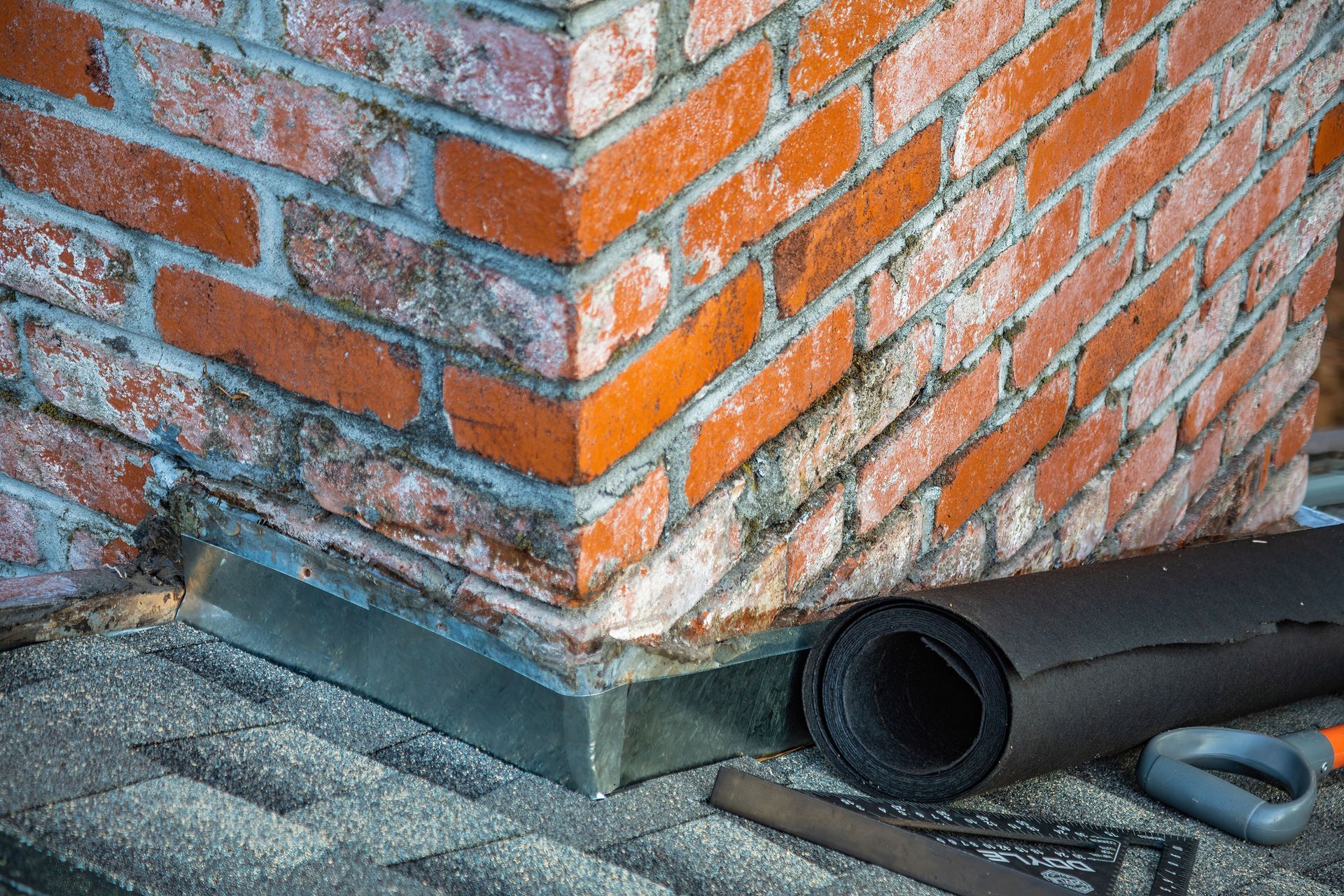
Removing an animal without sealing its entry point leaves the scent trail and the opening in place for the next one. Exclusion closes those openings with materials animals cannot chew through, such as galvanized hardware cloth and metal flashing, at roof returns, gable vents, plumbing stacks, soffit gaps, and foundation vents.
Once sealing is done, you see neat metal patches and screened vents where gaps used to be, and the attic and crawlspace stay quiet. Droppings stop appearing along the foundation, and the scratching sounds at dusk and dawn end.
Sealing is done after animals are out, or with one-way doors that let remaining animals leave but not return. Exclusion covers the roofline and foundation, while attic cleanup and insulation work are scoped separately.
Questions About Sealing a Home Against Wildlife
These answers cover where animals get in, what the gaps are sealed with, and what to check afterward.
What are the most common entry points on a house?
Roof returns, gaps where soffits meet the roof, gable vents, plumbing vent boots, and crawlspace vents account for most entries. An opening about the width of a quarter can admit a rat, and smaller gaps admit mice.
Why is metal used instead of foam or caulk?
Rodents and squirrels chew through foam and caulk, but galvanized hardware cloth and metal flashing stop them. Sealant is used behind metal to close air gaps, not as the barrier itself.
How are animals still inside handled during sealing?
A one-way door is installed at the main entry so animals can exit but cannot get back in. That opening is sealed permanently once activity stops.
How does the construction of Cary homes affect exclusion work?
Many Cary homes have complex rooflines with several roof returns and vinyl soffits that separate at the corners over time. Each of those spots gets its own sealing detail during the job.
What should you check after exclusion is finished?
Walk the house and look for metal patches or mesh at each roof return, vent, and foundation opening noted in the inspection. Inside, the attic and crawlspace should stay quiet with no fresh droppings.
Reliant Pest & Wildlife documents every entry point during the free inspection, and the sealing is warranted while your home is on the Shield plan. Start with an inspection to see exactly where animals are getting in.
Call Us
Our Location
167 East Chatham St,
Cary, NC